Volcanoes
Bromo Ijen Tour from Bali
Bromo sunrise and the Ijen crater in 2–3 days from your Bali hotel.
Details : Bromo Ijen Tour from Bali
Last verified June 2026
Bali Java Overland · 32 answers
What travellers actually ask before a Bali–Java overland trip — timing, ferries, Bromo and Ijen, temples, travel styles and booking.
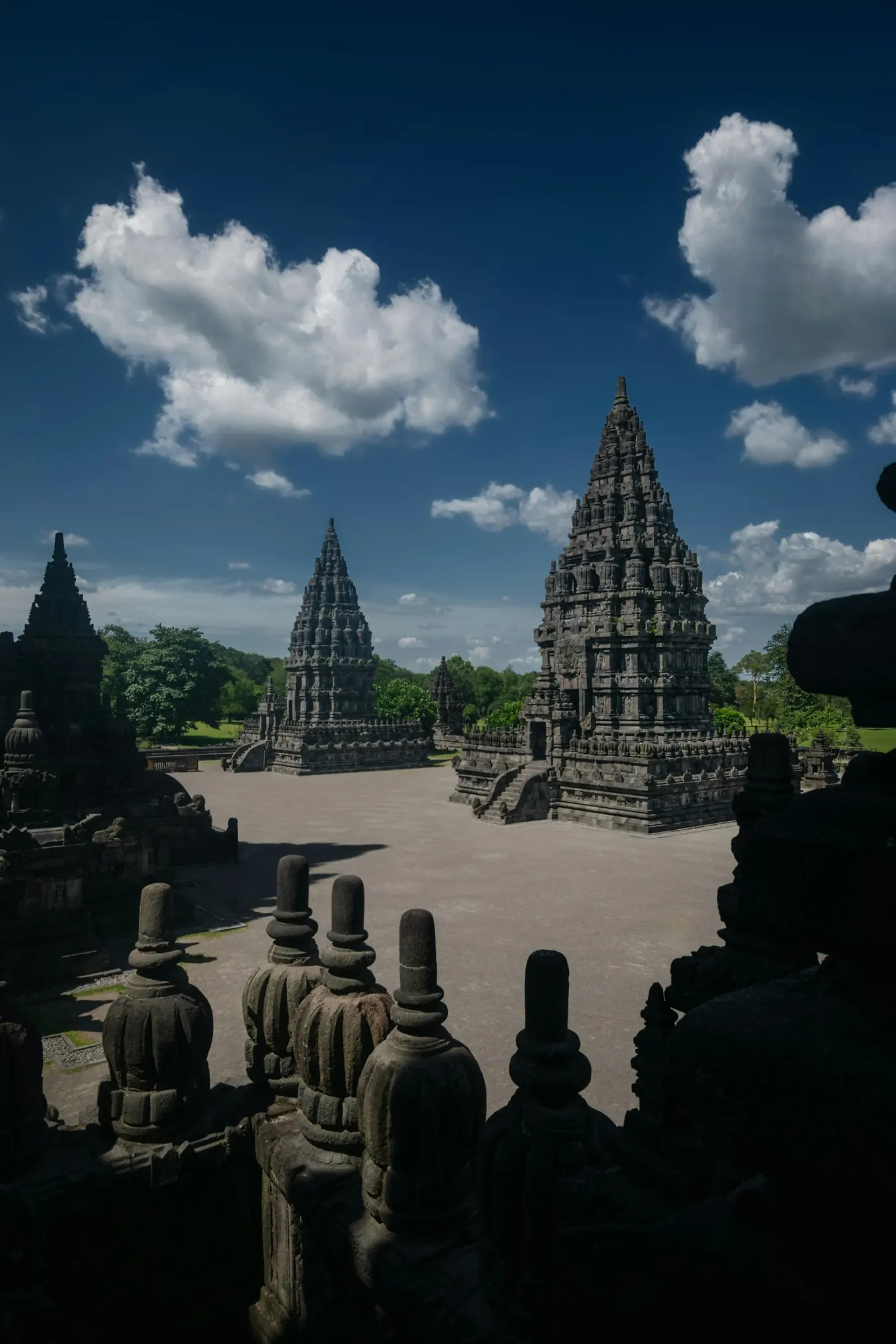
A multi-day trip linking your Bali holiday with East and Central Java: the ferry across the Bali Strait, Bromo sunrise, Ijen crater, Tumpak Sewu and the Borobudur and Prambanan temples — usually as a private guided circuit.
Most travellers need 3 to 5 days. A 3-day/2-night trip covers Bromo sunrise and Ijen from Bali; a 5-day/4-night itinerary adds Tumpak Sewu, Borobudur and Prambanan. Add days for a slower pace or extras like Sukamade.
The dry season, roughly May to October, brings clearer skies for Bromo sunrise and Ijen and safer trails. July and August are the busiest. November–April is greener and often cheaper, but cloud and rain are more likely.
Yes, tours run year-round. From November to April clouds can block the Bromo sunrise and rain can affect the Ijen hike, though rain often falls in afternoon bursts. Pack a rain jacket; sunrise and blue fire are never guaranteed.
Yes. Bali’s beaches and culture plus Java’s volcanoes and temples give first-timers Indonesia’s highlights in one trip. A guided tour handles ferries, permits, jeeps and early starts. Allow at least 4–5 days so you are not rushing.
Both, if you can — they complement each other. Bali offers beaches, resorts, temples and nightlife; Java offers Bromo, Ijen, Borobudur and Prambanan. Short on time? Bali suits relaxation, Java suits adventure and culture.
For most travellers, yes. One guided trip is often cheaper and far less stressful than arranging ferries, guides, jeeps and permits yourself — ideal if you want Bromo, Ijen and Borobudur without the logistics.
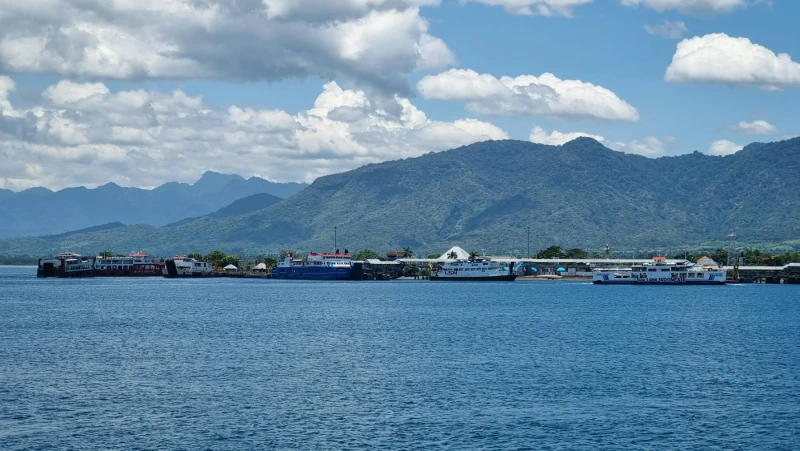
Drive west across Bali to Gilimanuk port, then take the car ferry over the Bali Strait to Ketapang in Banyuwangi, East Java. Ferries run roughly every 15–30 minutes, 24 hours a day.
The Gilimanuk–Ketapang crossing itself takes roughly 30 to 60 minutes. Ferries leave every 15–30 minutes around the clock, but allow extra time for queuing, loading and unloading, especially at peak periods.
Roughly 360 km from the Bali–Java ferry crossing — about 9–10 hours overland including the ferry. That is why most visitors see Bromo on a multi-day tour rather than one very long day trip.
For Bromo and Ijen, the overland ferry route from Bali is standard and scenic. To reach Yogyakarta faster, many tours add a domestic flight or a train from Surabaya. The best mix depends on your days, budget and appetite for driving.
Most nationalities get a paid Visa on Arrival at Bali’s airport, valid 30 days and extendable once; some ASEAN nationals enter visa-free. The same visa covers Java. General information only — check current rules with official Indonesian immigration sources.
Yes. Tours commonly leave Bali, cross from Gilimanuk to Ketapang in Banyuwangi and cover Ijen and the Bromo sunrise over 3 days/2 nights, ending back in Bali or continuing to Yogyakarta.
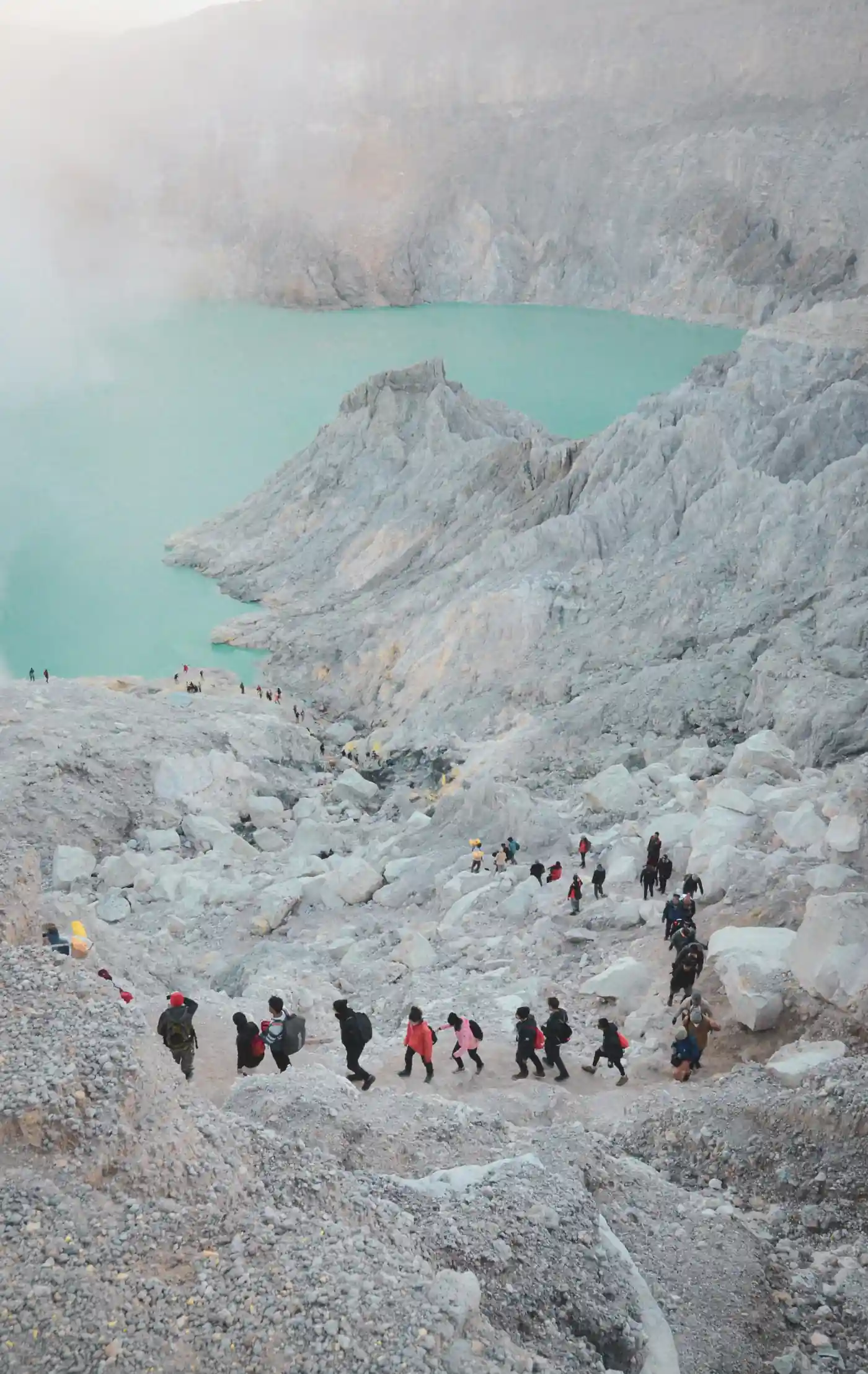
Electric-blue flames from sulphuric gases igniting on contact with air in Ijen’s crater. They are only visible in darkness, so treks start around 1–2 a.m. Sightings depend on the weather and are never guaranteed; rangers can close the crater.
Moderate: about 3 km uphill, roughly 1.5–2 hours to the rim, manageable with reasonable fitness. The descent into the crater to view the blue fire is steeper and rockier. A gas mask is required near the sulphur fumes.
It is considered safe with an experienced guide and a proper gas mask, mandatory near the crater because of toxic sulphur fumes. A health or blood-pressure check may be required. Not advised for young children or people with asthma, heart conditions or sensitive eyes.
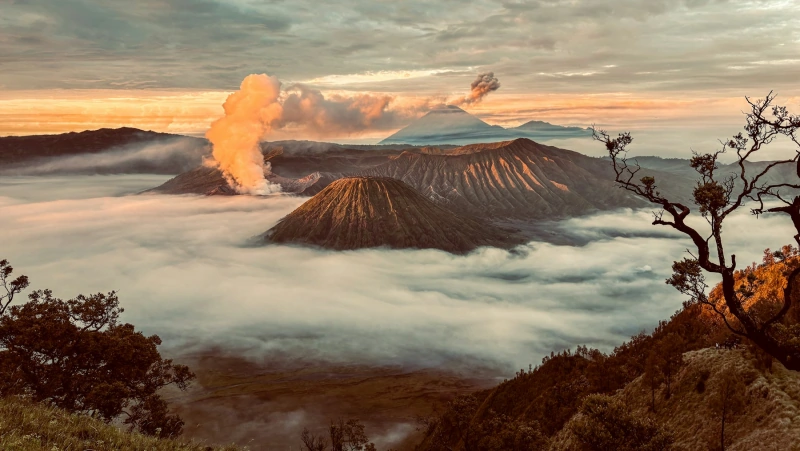
Easy. A jeep drives you to a viewpoint on the Tengger caldera rim before dawn. Reaching Bromo’s crater rim then means a short walk across the sand sea and about 240 steps — light activity for most fitness levels.
Very early. Ijen treks typically begin around 1–2 a.m. to reach the crater while it is still dark. For the Bromo sunrise you usually leave the hotel by jeep around 3–4 a.m.
Warm layers (jacket, long pants, gloves, beanie), sturdy closed hiking shoes, a headlamp, a rain jacket, sunscreen, a reusable water bottle, a power bank and a copy of your ID. The gas mask for Ijen is normally provided.
Usually Ijen first (the ferry lands at Banyuwangi, Ijen’s gateway), then Tumpak Sewu, then Bromo, before continuing to Yogyakarta or returning to Bali. The exact sequence depends on your start point, end point and number of days.
Yes. This dramatic curtain waterfall is a popular add-on between Ijen and Bromo, often as a 4-day itinerary. The descent to the base is steep and can be slippery, so wear closed shoes and expect to need reasonable fitness.
On longer itineraries, typically 5 days or more, that continue to Yogyakarta in Central Java. Shorter 3-day trips focus on Bromo and Ijen. If the temples matter to you, choose a Yogyakarta-inclusive route.
Day 1 Bali to Ijen via the ferry; Day 2 Ijen before dawn, then on toward Bromo; Day 3 Bromo sunrise and Tumpak Sewu; Day 4 drive or train to Yogyakarta; Day 5 Borobudur and Prambanan. The order varies by start point.
Private gives you control of pace, itinerary, hotel level and start and end points, and helps you avoid peak crowds at Bromo. Shared groups cost less, with fixed schedules and a social feel. Choose private for flexibility and comfort.
The same core sights with premium hotels or resorts near Bromo and in Yogyakarta, a private vehicle with a dedicated driver and guide, flexible timing to avoid crowds and optional flights to cut long drives.
Yes. Shared transport, simpler guesthouses near Bromo and Ijen and fixed departures bring the price well below a private tour. You trade flexibility and comfort for savings, but still see the main volcano highlights.
Yes. We pair the volcano-and-temple circuit with upgraded private accommodation, slower pacing, scenic add-ons and a fully private guide — adventure and comfort together, tailored to your dates.
Yes. Bali and Java are generally safe for solo travellers taking normal precautions, and a guide handling transport, permits and logistics adds security. Petty scams, traffic and overcharging are the main everyday risks.
It depends on trip length, private or shared transport, hotel level and season — a 5-day route with Yogyakarta costs more than a 3-day Bromo–Ijen trip. Our Bali Java Tour Cost page lists indicative ranges; confirm current rates for your dates.
Typically private air-conditioned transport, an English-speaking guide, the Bali–Java ferry, hotels near Bromo and in Yogyakarta, the Bromo jeep, Ijen and park entrance fees, bottled water and listed meals. Flights and personal expenses are usually excluded.
Message our reservations team on WhatsApp (+62 811-2859-0000) or at [email protected] with your dates, group size and route. We confirm availability, price and inclusions; a deposit secures the booking, and balance terms are confirmed in writing.
Bali Java Overland is operated by Bali Premium Trip, a Bali-based travel concierge founded in 2015 in Kuta. We plan and sell the tours and run them with vetted, licensed local guides — arranging permits rather than owning park concessions.
Four in-depth guides: the volcanoes, the itineraries, private travel and what it costs.
Volcanoes
Bromo sunrise and the Ijen crater in 2–3 days from your Bali hotel.
Details : Bromo Ijen Tour from BaliItineraries
Day-by-day routes from 3 to 5 days, including Yogyakarta’s temples.
Details : Bali Java ItineraryTravel style
Your own car, driver and guide — your pace, your stops.
Details : Private Bali Java TourPrices
Indicative price ranges, inclusions and how booking works.
Details : Bali Java Tour Cost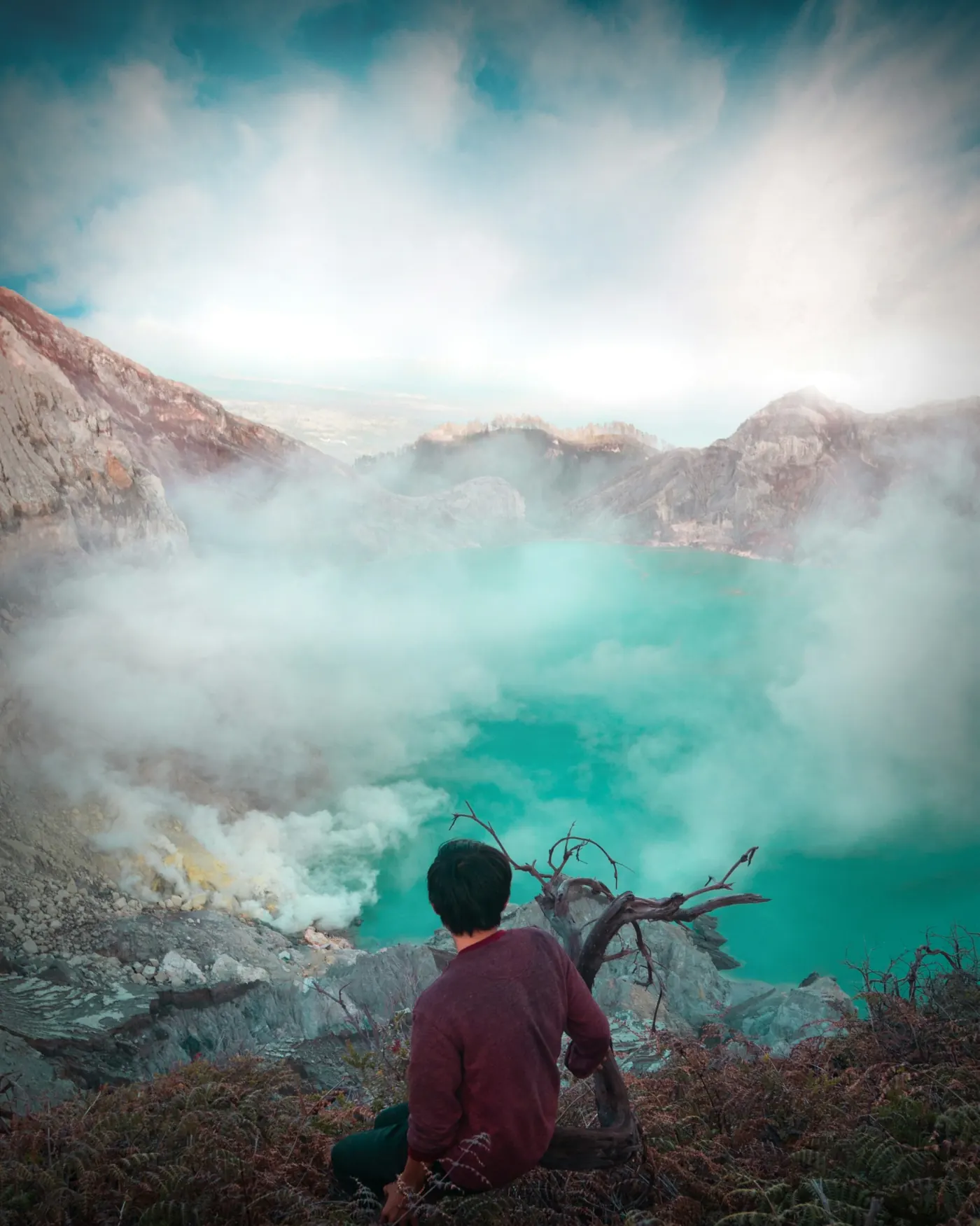
Still curious?
Send your dates, group size and questions on WhatsApp. Our Bali team replies with honest, specific answers — and a quote when you are ready.
Get My QuoteWhatsApp +62 811 2859 0000 · [email protected]