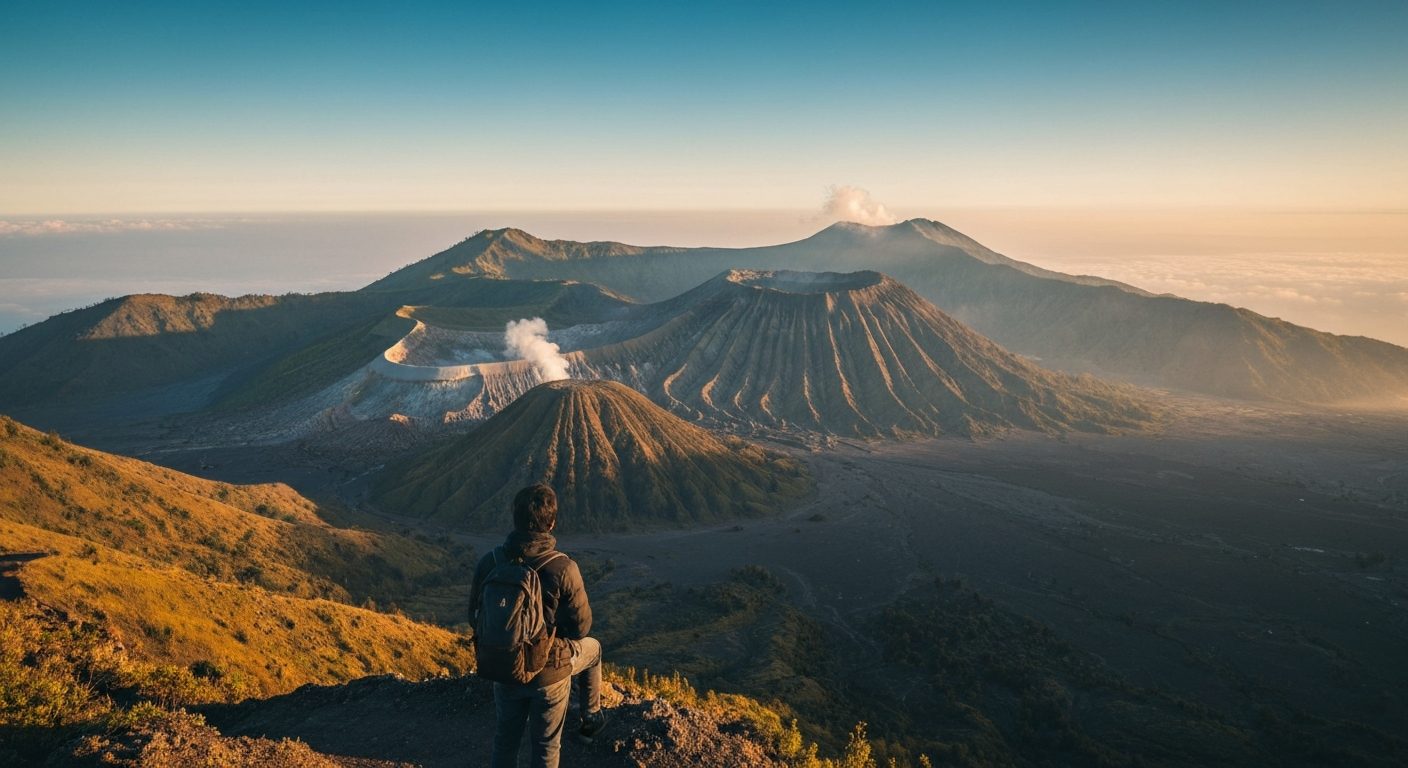
What to pack Bromo Ijen hike? In simple terms: warm layers for Bromo’s freezing sunrise, solid shoes and a headlamp for Ijen’s steep night trail, and a proper gas mask for the sulfur crater. This guide walks through exactly what to pack for a Bromo Ijen tour on a Bali–Java overland circuit, based on how the hikes actually feel at 2–3am in dry season, wet season and everything in between.
I’m Mara, Bali–Java Circuit Editor at Bali Java Overland, powered by our on-ground team at Bali Premium Trip. I plan and pressure‑test these routes for a living — I’ve done the Ketapang ferry crossing more times than I can count and I still don’t love a 1am alarm for Ijen. This is the packing list I actually use and update, not something copied from a gear shop catalogue.
—
Overview: What Bromo & Ijen Really Demand From Your Pack
Before we get into the checklist, it helps to understand why you’re packing a bit differently for each volcano.
Bromo and Ijen are very different hikes:
- Mount Bromo (2,329 m)
- Pre‑dawn jeep ride to a viewpoint (Penanjakan / King Kong Hill area), then optional walk to Bromo’s crater rim.
- Cold, windy, dusty. Walking is short, but you stand around a lot.
- Kawah Ijen (2,799 m)
- Steady 1.5–2 hour hike up a steep paved/rocky road at night.
- Optional extra descent into the crater in gas conditions that change minute by minute (your licensed guide decides).
- Long, sweaty uphill followed by abrupt cold wind at the rim and sulfur gas around the crater.
That mix creates three packing priorities:
- Temperature swings:
You can go from 5–8°C windchill at Bromo’s sunrise to 28–32°C midday in Probolinggo. Ijen can feel hot on the climb, then sharply chilly at the rim.
- Dust and gas:
Bromo’s ash gets everywhere. Ijen’s risk is sulfur gas that can sting your eyes and lungs; a certified mask is non‑negotiable.
- Night hiking:
Both experiences run pre‑dawn. You walk in the dark, often on uneven or sandy ground, with limited sleep from the previous night.
Bali Premium Trip supplies the things that are hard or expensive to bring from home: 4WD jeeps, certified gas masks at Ijen, licensed mountain and park guides, park permits and local transport. You still need to bring smart layers and personal gear.
—
Bromo vs Ijen: Hike Reality Check
You don’t need to be an ultra‑runner, but you do need honest expectations. Use this to decide your own comfort zone.
| Hike | Type & distance | Typical time | Difficulty feel | Main challenges |
|---|---|---|---|---|
| Mount Bromo (viewpoint + crater) | Short walks & optional stairs; mostly jeep-based | 10–20 min walking at viewpoint; 30–45 min walk + stairs to crater (return) | Easy to easy‑moderate | Cold, wind, dust, crowds, very early start |
| Kawah Ijen (rim) | 3 km up, 3 km down on a steady incline (~600–700 m gain) | 1.5–2 hours up; 1–1.5 hours down | Moderate for active travellers | Steep sections, night hiking, cold wind, possible gas around rim |
| Kawah Ijen (into crater – optional) | Additional ~30–45 min down & back up on rocky trail | +1.5–2 hours total, very condition‑dependent | Moderate‑difficult | Sulfur gas, loose rocks, crowding on narrow path, limited visibility at night |
Fitness level in plain terms (not medical advice):
- If you can comfortably walk 8–10 km in a day at home with some hills, you’re usually fine for Bromo + Ijen rim.
- If steep climbs make you dizzy, or you have heart / lung / serious joint issues, talk to your doctor first and tell us honestly in planning.
- The Ijen crater descent is not mandatory. Your licensed local guide will call it based on gas, your condition and park rules at the time.
We rate the Bromo sunrise as easy and the Ijen crater hike difficulty as moderate for most reasonably active people; the optional descent into the crater is moderate–hard and not suitable for everyone.
If you’re unsure about your bali java tour health altitude fitness level, message us early. We’ll help you match your route, pace and overnights to your reality and can design slower, more rest‑focused Bali Java Bromo Ijen trips. You can always plan your trip with us on email or WhatsApp and talk it through.
—
The Core Bromo Ijen Packing List
Think in layers and categories instead of individual items. Here’s the complete bromo ijen packing list we actually use on the road.
Clothing: Layered for 5–25°C
You don’t need technical mountaineering gear. You do need smart layers:
Base layers (against your skin)
- 1–2 moisture‑wicking t‑shirts (synthetic or merino, not cotton)
- 1 light long‑sleeve top (good for sun in the day, wind at night)
- Sports bra / comfortable underwear (for 4–6 hour stretches with limited bathroom access)
Mid layers (insulation)
- 1 warm sweater or fleece (full‑zip is easiest for quick changes)
- Optional: thin thermal top if you really feel the cold
Outer layers (wind and rain)
- 1 windproof jacket with a hood; water‑resistant for drizzle. Doesn’t have to be heavy; a compact shell is ideal.
- Lightweight rain poncho or shell in wet season (Nov–Mar), especially for Bromo’s open viewpoints.
Bottoms
- 1 pair comfortable hiking or sports trousers / leggings
- Optional: base‑layer tights underneath if you get cold easily
- Avoid jeans: they’re heavy, slow to dry and stiff after rain.
Accessories (small but crucial)
- Beanie / warm hat (for Bromo sunrise)
- Buff / neck gaiter or scarf (helps with wind and dust)
- Lightweight gloves (basic knit gloves are fine)
- Sunglasses with UV protection (important once the sun is up on ash and sand)
- Extra socks: 2–3 pairs, preferably synthetic or wool
—
Footwear: Grip Beats Fashion
The question I get most: Do I really need hiking shoes for Bromo and Ijen?
You don’t need high‑end boots, but you do need closed shoes with a decent sole:
Best options
- Trail‑running shoes or light hiking shoes with grippy soles
- Sturdy trainers with good tread and full foot coverage
What to avoid
- Open sandals or flip‑flops – Bromo’s sand and ash will chew your feet and they’re unsafe on Ijen’s rocky sections
- Brand‑new shoes – break them in at home with some long walks first
Bromo’s crater path includes sand, loose ash and stairs. Ijen’s downhill can be hard on knees and toes, especially when tired, so secure lacing and shock‑absorbing soles help a lot.
If you have weak knees or ankles, trekking poles can be helpful for Ijen. You don’t need to fly with them; we can help arrange basic poles locally on request.
—
Gear for Night Hiking and Safety
Both the Bromo sunrise and Ijen blue fire runs happen in the dark. Good lighting and a few small items change the whole experience.
Headlamp (not just your phone)
- Bring a headlamp with fresh batteries or fully charged.
- Phone torches drain your battery, tie up your hand and are unreliable on uneven ground.
- 100–200 lumens is enough; you don’t need a climbing‑grade unit.
Small daypack
- 15–25L daypack to carry layers, water, snacks and camera.
- Hip belt or chest strap helps keep it stable on Ijen’s climb.
Water and snacks
- 1–1.5L of water per person for Ijen; Bromo needs less, but keep at least 0.5–1L on you.
- Simple snacks: nuts, bananas, biscuits, energy bars, anything you actually eat at 2am.
- Refill opportunities: typically at your hotel before starting and at small stalls near the trailhead.
—
Gas Mask at Ijen: Non‑Negotiable and Supplied Locally
The kawah ijen volcano gas mask is the single most important piece of technical gear, and this is where going with a serious operator matters.
Why you need a gas mask
- Ijen’s crater emits sulfur dioxide and other gases that can sting your eyes and lungs and, in high concentration, be dangerous.
- Gas patterns change with wind and activity; what felt “mild” yesterday can feel aggressive today.
- Cloth masks, buffs and DIY filters are not enough inside the crater.
How we handle gas masks on our trips
- Bali Premium Trip supplies certified respirators (not cheap market knock‑offs) as part of your tour price when the crater descent is permitted.
- Masks are checked, sized and cleaned regularly by our licensed local partners around Banyuwangi, who work on Ijen week in, week out.
- Your licensed guide will assess conditions on the ground and decide: crater descent or rim only, how long to stay, and when to pull back from gas zones.
If you own a good‑quality half‑face respirator and prefer to use that, bring it; we’ll still carry our own as backup. If you have asthma or a history of lung issues, speak to your doctor before the trip and tell us in advance so your guide can adjust.
Remember: park rules and safety calls override any packing list. Some days, the crater is closed and blue fire is off‑limits; the rim view at sunrise is still worth the climb.
—
Bromo: Coping With Cold, Wind and Dust
The Bromo sunrise hike tips safety are less about fitness and more about the environment.
What to wear Bromo sunrise cold
Temperature ranges at the viewpoints before dawn are often:
- Dry season (Jun–Sep): ~5–12°C with windchill
- Shoulder/wet season (Oct–May): ~8–15°C, can feel warmer but wetter
Dress like this:
- Base: t‑shirt + light long sleeve
- Mid: fleece or sweater
- Outer: windproof jacket with hood
- Accessories: beanie, light gloves, buff over nose/mouth for dust
Locals often rent heavy jackets near the viewpoint car park. They’re handy in a pinch, but can be old and bulky. We recommend bringing at least your own mid‑layer + windproof shell so you’re not relying entirely on rentals.
Dust and ash protection
- Use a buff or mask over your mouth and nose during the jeep ride and around the crater.
- Keep a ziplock bag for your phone and camera to limit ash getting into ports and lenses.
- Eye drops can help if your eyes are sensitive.
The actual walking around Bromo is short and classed as an easy hiking Bali Java Bromo experience, but the environment is harsh on equipment and lungs.
—
Ijen: Layering for a Steep Night Climb
The ijen crater hike difficulty is more about pace and incline than technical terrain.
Typical Ijen timeline
- 00:00–01:00: Wake‑up and coffee at Banyuwangi hotel
- 01:00–02:00: Drive to Paltuding trailhead
- 02:00–04:00: Hike up (plus optional descent to crater if allowed)
- 04:30–06:00: Sunrise at rim
- 06:00–08:00: Walk down, return to hotel for breakfast
You start walking in the dark, often feeling cool, then warm up fast on the climb, then get cold again when you stop at the rim.
Practical layering strategy
On your body at the trailhead:
- Top: t‑shirt + light long sleeve + fleece
- Bottom: hiking trousers / leggings
- Pack: windproof jacket and beanie in your daypack
During the climb:
- Expect to remove a layer after 15–20 minutes as you warm up.
- Keep your fleece or jacket accessible for the rim, where wind off the crater lake can be sharp even after sunrise.
If you’re asking “what to wear Bromo sunrise cold vs Ijen?”, you can use essentially the same set of layers, just adjust when you put them on and take them off.
—
Health, Altitude and Personal Limits
Java’s volcanoes are not Himalayan giants, but altitude, lack of sleep and gas can combine to surprise people.
Altitude and health basics
- Bromo viewpoint: around 2,700–2,900 m (varies by exact spot)
- Bromo crater rim: ~2,300 m
- Ijen rim: ~2,799 m
Most healthy people feel only mild effects: slightly faster breathing, getting out of breath sooner. Some feel light‑headed.
This is general travel information only, not medical advice.
- If you have heart disease, uncontrolled hypertension, serious lung disease (including severe asthma) or any condition your doctor watches carefully, talk to them about your plan for Bromo and Ijen.
- Bring your regular medication in your daypack, not in checked luggage or a suitcase on the jeep.
Honest read on bromo ijen tour fitness level required
If all of these feel manageable, you’re probably fine:
- Walking up 5–6 flights of stairs without stopping
- Walking 8–10 km on mixed terrain in a day (even slowly)
- Waking up very early and managing without perfect sleep for a night or two
If you’re unsure, tell us in planning and we can:
- Pace your Bali–Java overland circuit with extra rest days
- Suggest staying closer to trailheads to shorten commute times
- Focus on viewpoints rather than every possible climb
If at any point during the hike you feel chest pain, severe shortness of breath, confusion, or anything that simply feels wrong, tell your guide immediately. They are there to manage your safety, not to push you to the rim at all costs.
—
Documents, Money and Connectivity
The volcano days sit in the middle of a larger Bali–Java trip, so be smart about what’s on you and what stays in the hotel.
Documents to carry on volcano days
- Passport (some parks may check ID; we’ll advise case‑by‑case)
- Local cash (Indonesian Rupiah) for toilets, coffee, snacks and tips
- Hotel card or written address (handy when language is limited)
Leave international credit cards, excess cash and non‑essential electronics locked in your hotel where possible.
Phone and connectivity
- Indonesia has patchy reception in volcano areas; expect it to drop in pockets.
- Download offline maps for the region (Probolinggo, Cemoro Lawang, Banyuwangi, Paltuding) before departure.
- Keep WhatsApp on your phone; we use it heavily for on‑trip coordination and check‑ins.
If you want help sanity‑checking your dates, budget, fitness and transport options for a full what to pack Bali Java overland volcano tour, you can plan your trip and we’ll pick things up from there on email or WhatsApp.
—
Camera Gear and Electronics
You’ll see both orange volcano sunrises and, if conditions allow, the blue fire at Ijen. People often over‑pack camera gear and regret the weight on the climb.
Essentials
- Phone with camera – today’s phones handle low light reasonably well
- Power bank (at least 10,000 mAh) – long days drain batteries fast
- Charging cables in a small pouch
Optional extras
- Compact mirrorless or DSLR camera
- 1 fast lens (f/1.4–2.8) if you’re serious about blue‑fire photography
- Small tripod or gorilla‑pod – only if you’re prepared to carry it for 6+ hours
Keep gear in padded cases inside your daypack with dust protection (dry bag or ziplock). Avoid changing lenses in the ash around Bromo if you can.
—
Toiletries and “Small Comforts”
You don’t need a full bathroom in your bag, but a few things help on night hikes.
Useful small items
- Tissues / toilet paper (most trail toilets don’t provide it)
- Hand sanitizer
- Lip balm (wind + dry air = cracked lips)
- Sunscreen – at least SPF 30; apply before first light
- Basic plasters / blister pads
- Personal medication (plus a note of what it is, in case of emergency)
If you get motion sick, bring your usual medication for the jeep tracks around Bromo and the mountain road to Ijen.
—
Packing for the Wider Bali–Java Overland Trip
Because you’re not just hiking. You’re also doing Bali beaches or rice terraces, long drives, and possibly a Ketapang ferry crossing between Java and Bali.
Luggage strategy
- 1 main bag (backpack or suitcase) for clothes and non‑essentials
- 1 daypack for volcano days and city exploring
Your main bag can stay in the car or hotel during hikes. Pack a separate small pouch with everything you need for Bromo and Ijen, so you’re not repacking at midnight.
Example split for a 7–10 day Bali + Java volcano trip
- 3–4 t‑shirts total
- 1–2 long‑sleeve shirts
- 1 fleece or sweater
- 1 rain / wind jacket
- 2 pairs long trousers, 1 shorts (for Bali days)
- 4–5 sets underwear
- Swimwear for Bali
- Sandals for Bali, closed shoes for volcanoes
Costs for a combined Bali + Bromo + Ijen + Borobudur/Prambanan overland circuit with private car, ferries, accommodation and guided volcano days typically run in the US$900–1,800 per person range (last verified June 2026) for about 6–9 days, depending on hotels and group size. That’s just to give you a realistic sense of the overall trip context your volcano packing sits inside; we’ll quote your exact route transparently.
—
Private vs Group: Does It Change What You Pack?
Your what to pack Bali Java Bromo Ijen trip list is similar in both cases, but logistics feel different.
Private overland with Bali Premium Trip
- More flexible departure times (useful if you run cold or need more sleep)
- Easier to adjust pace on Ijen and decide on the crater descent calmly
- Cleaner handover for gas masks, briefings and safety checks
- Car space for an extra layer or comfort items
Typical group tours
- Stricter schedules; slower climbers may feel pressure, faster ones may be held back
- Shared gear and limited time for personal questions
- Often more rushed sunrise windows
In both cases you need: layers, closed shoes, headlamp, daypack, water, and, for Ijen, access to a proper gas mask via the operator. With Bali Premium Trip you deal directly with our own reservations team, not an agent adding hidden markups, and we arrange third‑party services (jeeps, local guides, permits) through vetted, licensed partners.
—
Quick Bromo Ijen Packing Checklist
Use this as a pre‑departure tick‑list:
Clothing
- [ ] 1–2 moisture‑wicking t‑shirts
- [ ] 1 light long sleeve
- [ ] 1 warm sweater / fleece
- [ ] 1 windproof / light rain jacket with hood
- [ ] 1–2 pairs long trousers / leggings
- [ ] Optional thermal top / tights if you feel cold easily
- [ ] Beanie / warm hat
- [ ] Buff / scarf
- [ ] Lightweight gloves
- [ ] 2–3 pairs socks
Footwear
- [ ] Closed shoes with good grip (trail runners, hiking shoes or sturdy trainers)
- [ ] Optional trekking poles (or request locally)
Gear
- [ ] 15–25L daypack
- [ ] Headlamp (+ spare batteries / charge)
- [ ] 1–1.5L water bottle or hydration system
- [ ] Snacks (nuts, biscuits, energy bars)
- [ ] Phone + power bank + cables
- [ ] Camera (optional) + dust protection
Safety & health
- [ ] Gas mask provided by operator for Ijen (we handle this)
- [ ] Personal medication
- [ ] Tissues / toilet paper
- [ ] Hand sanitizer
- [ ] Sunscreen & lip balm
- [ ] Small first aid / blister plasters
Documents & money
- [ ] Passport / ID
- [ ] Local cash (IDR)
- [ ] Hotel details
- [ ] Travel insurance details accessible on your phone
Pack this and you’ll be covered for both volcanoes without over‑loading yourself.
—
If you want help matching this packing list to an actual route — how many days from Bali to Bromo to Ijen to Yogyakarta, what’s realistic with your bromo ijen tour fitness level required, and how to sequence ferries and flights — you can plan your trip with us. We plan via email and WhatsApp so you can ask the awkward questions (like “Do I need to train for this?”) before you commit.
—
FAQs
Is Mount Bromo an easy hike?
Yes, most travellers experience Bromo as an easy hike. The sunrise viewpoints are reached by 4WD jeep, followed by short walks on paved or dirt paths. The optional walk to Bromo’s crater rim involves sand, ash and stairs but is still relatively short. The main challenges are cold, wind, dust and the very early start, not distance or technical terrain.
How difficult is the Ijen crater hike?
The Ijen crater hike to the rim is moderate for reasonably active people. Expect a 3 km uphill walk on a steady incline that can feel steep in parts, usually taking 1.5–2 hours. The optional descent into the crater is harder and should only be attempted with a licensed guide, proper gas mask and suitable conditions. If you can handle walking uphill for an hour or two at home, you’ll likely cope, but anyone with heart or lung problems should talk to a doctor first.
Do I really need a gas mask at Ijen?
Yes, for any descent into the crater a proper gas mask is essential. Sulfur dioxide and other gases can irritate or injure your lungs and eyes at high concentrations. A buff or cloth mask is not enough. On our trips Bali Premium Trip provides certified respirators through licensed local partners and your guide will decide what is safe on the day. For a rim-only visit in mild conditions, gas exposure is usually lower, but a mask is still carried as a precaution.
How cold does it get at Bromo and Ijen?
Before sunrise at Bromo’s viewpoints temperatures typically feel like 5–12°C in dry season with windchill, a little warmer in wetter months. Ijen’s trail can feel mild or even warm on the climb, but the rim is often windy and chilly, especially before sunrise. A base layer, fleece and windproof jacket, plus a beanie and light gloves, are usually enough if you layer smartly and keep moving.
What fitness level do I need for a Bali Java Bromo Ijen trip?
For most private Bali–Java overland circuits that include Bromo and Ijen, being able to walk 8–10 km in a day with some hills is usually sufficient. Bromo is an easy hike with short walks; Ijen is a moderate uphill walk to the rim starting at night. If you have significant heart, lung or mobility issues, or if you’re unsure about altitude, speak to your doctor before travelling and tell our planning team so we can adjust your route and pace accordingly.