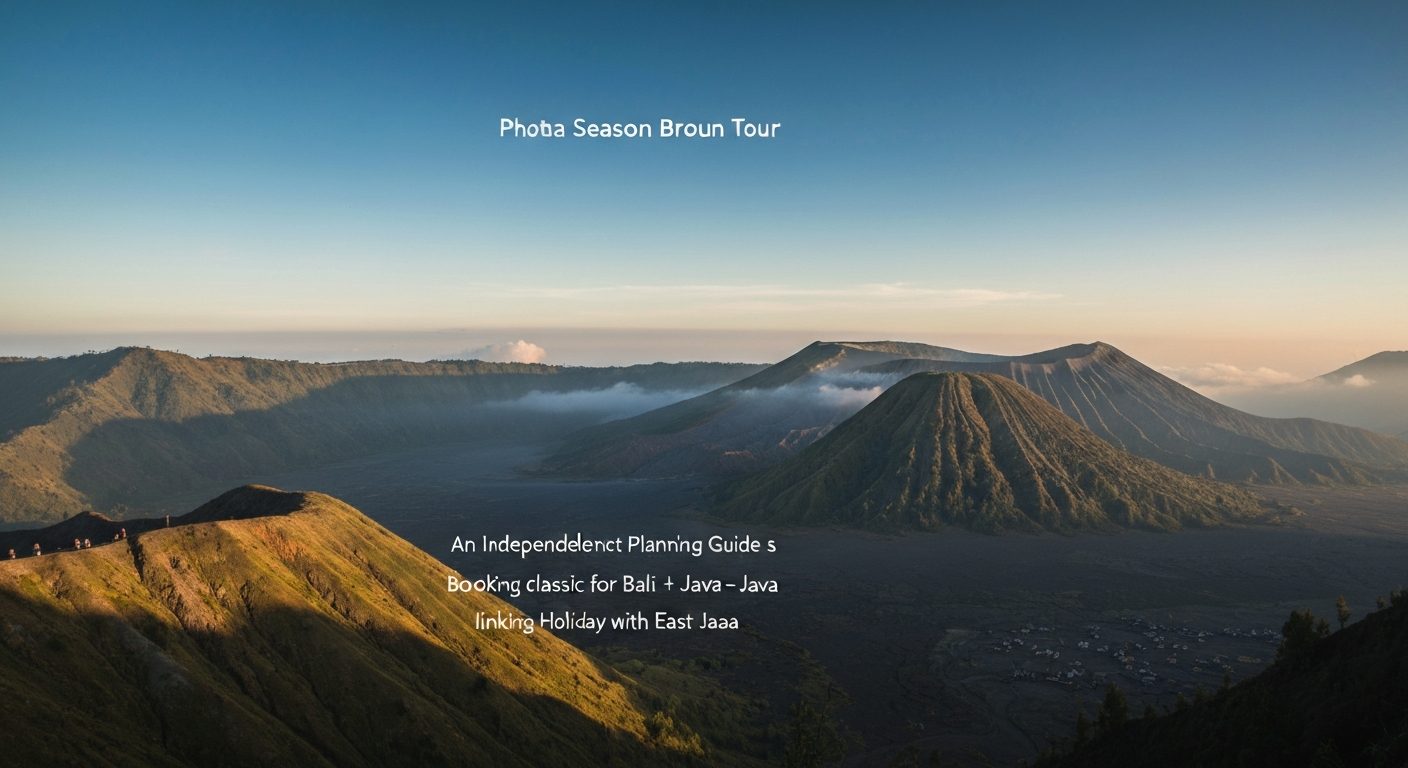
Is a rainy season Bromo Ijen tour worth it? This is one of the most common questions we get, especially as the year rolls into its wetter half. The simple answer is: yes, it can be, but you need to go in with realistic expectations and a flexible plan. Roughly from November to March, Indonesia experiences its monsoon season, which brings different conditions to the volcanic landscapes of East Java compared to the dry season.
Understanding these conditions is key to deciding if a rainy season Bromo Ijen tour fits your travel style. While the dry season (April to October) offers the highest chance of clear skies and unobstructed sunrises, the wet months bring their own set of advantages and challenges.
Understanding the Rainy Season in Bali and Java
Indonesia’s weather is primarily governed by two distinct seasons: the dry season and the rainy season, or monsoon. For Bali and Java, the rainy season typically runs from November to March, with the heaviest rainfall usually occurring in December and January.
What does this mean on the ground? It’s rarely non-stop rain all day. Often, the mornings can be clear, followed by afternoon showers that can be heavy but relatively short-lived. Nighttime rain is also common. Temperatures remain warm, usually around 26-32°C (79-90°F) in coastal areas like Bali, though it gets significantly cooler in the highlands of Java, especially around Bromo and Ijen, where pre-dawn temperatures can drop to 5-10°C (41-50°F) even in the wet season.
The impact of the rain varies across the islands. Coastal areas might see more humidity and occasional downpours, while the volcanic regions of East Java experience more consistent cloud cover, fog, and potential for muddy trails.
- Dry Season (April – October)
-
Weather: Predominantly sunny, low humidity, minimal rain.
Visibility: High chance of clear sunrises and expansive views at Bromo and Ijen.
Crowds: Peak tourist season, especially July-August. Higher prices for flights and accommodation.
Trails: Generally dry, less slippery, dusty around Bromo.
Landscape: Drier, browner vegetation in some areas.
- Rainy Season (November – March)
-
Weather: Intermittent rain, higher humidity, more cloud cover and fog.
Visibility: Reduced chance of clear sunrises/views. Clouds often obscure distant horizons.
Crowds: Low season. Fewer tourists, more tranquil experience. Often lower prices.
Trails: Potentially muddy and slippery, especially on Ijen’s crater path.
Landscape: Lush, vibrant green vegetation. Waterfalls are more powerful.
What to Expect at Bromo During Rainy Season
Mount Bromo, with its iconic caldera and volcanic landscape, offers a dramatic experience regardless of the season. However, the rainy season does alter some aspects of the visit.
Bromo Rainy Season Tour Bali: Visibility and Views
The primary draw of a Bromo trip is often the sunrise from viewpoints like Penanjakan 1, King Kong Hill, or Seruni Point. During the rainy season, the odds of witnessing a completely clear sunrise, with Mount Bomo, Semeru, and Batok perfectly framed against a vibrant sky, are significantly lower.
You should prepare for:
- Cloud Cover and Fog: It’s common for the entire caldera to be shrouded in mist or low-hanging clouds, obscuring the sunrise and the surrounding peaks.
- Intermittent Rain: Showers can occur during the pre-dawn drive or while you’re waiting at the viewpoint. Waterproof outerwear is essential.
- Dramatic, Moodier Scenery: Even without a clear sunrise, the landscape takes on a different kind of beauty. The fog and clouds can create an ethereal, almost otherworldly atmosphere, and the surrounding hills are incredibly green.
While a “perfect” sunrise is less likely, the experience of being on the caldera rim, hearing the volcano rumble, and walking across the Sea of Sand remains powerful.
Crater Conditions and Jeep Access
The journey to Bromo’s crater involves a jeep ride across the Sea of Sand (Pasir Berbisik) and then a walk up steps to the crater rim.
- Sea of Sand: During the dry season, this area is very dusty. In the rainy season, the sand is often damp, reducing dust but potentially making some sections muddy. Jeeps generally navigate these conditions without issue, as they are rugged 4×4 vehicles designed for the terrain.
- Crater Path: The steps leading up to the crater rim are made of concrete and are relatively stable. However, the rim itself can be windy and exposed. In wet conditions, the path can become slippery, especially if there’s volcanic ash mixed with rain. Care and sturdy footwear are always advised.
Crowds and Atmosphere
One significant advantage of a rainy season Bromo Ijen tour is the reduced number of tourists. The viewpoints are less packed, and the crater path is less congested. This can lead to a more peaceful and personal experience. You might share the viewpoint with dozens of people rather than hundreds, making for better photo opportunities and a quieter contemplation of the landscape.
Ijen Blue Fire and Crater Conditions in Wet Months
Ijen Crater, famous for its mesmerizing blue fire and turquoise acidic lake, presents a different set of challenges and experiences during the rainy season.
Ijen Blue Fire Best Month Visit: How Rain Affects Visibility
The blue fire phenomenon at Ijen is caused by the combustion of sulfuric gases, which ignites into electric blue flames. This occurs underground and is most visible in complete darkness, typically between 1 AM and 4 AM. Rain itself generally does not extinguish or hide the blue fire.
However, heavy rain can:
- Obscure Stars: If the sky is heavily clouded or raining, stargazing on the ascent is impossible.
- Impact Trail Safety: This is the primary concern for Ijen during the wet season.
The best months to visit Ijen for optimal blue fire visibility and trail conditions are typically April to October, during the dry season, when there’s less chance of rain making the descent hazardous.
Trail Safety and Crater Descent
The hike to Ijen Crater is approximately 3 km (1.8 miles) and takes about 1.5 to 2 hours, with an elevation gain of around 800 meters (2,600 feet). The path is steep in places, especially the final section down into the crater to see the blue fire up close.
- Slippery Terrain: The trail, particularly the descent into the crater, is composed of loose volcanic rock, sand, and sulfur deposits. When wet, this path becomes extremely slippery and unstable. The acidic nature of the ground can also react with rainwater, creating a slicker surface.
- Reduced Visibility: Fog and mist are common in the crater, especially after rain, which can further reduce visibility on an already challenging path.
- Park Authority Restrictions: During periods of heavy rain, or if conditions are deemed unsafe, local park authorities or your licensed guide may restrict access to the crater floor or even the entire hike. This is for your safety and must be respected.
- Mandatory Equipment: Good quality headlamps and gas masks are essential year-round. Sturdy, waterproof hiking boots with excellent grip are non-negotiable in the rainy season.
Safety is paramount. Our local guides, vetted by Bali Premium Trip, are highly experienced and will make the final call on crater descent based on real-time conditions. If they deem it unsafe, an alternative viewpoint from the crater rim will be offered, or the hike may be postponed/altered.
Weighing the Trade-Offs: Pros and Cons of a Rainy Season Bali Java Tour
Deciding on a rainy season Bali Java tour involves balancing several factors. Here’s a quick summary:
| Factor | Pros of Rainy Season | Cons of Rainy Season |
|---|---|---|
| Crowds | Significantly fewer tourists, more peaceful experience. | — |
| Scenery | Lush, vibrant green landscapes; powerful waterfalls; dramatic, moody atmosphere. | Reduced visibility for sunrises and distant views. |
| Prices | Often lower prices for flights and accommodation due to lower demand. | — |
| Safety (Ijen) | — | Slippery, hazardous trails; potential for restricted access to crater floor. |
| Flexibility | More flexibility in booking last-minute changes due to lower demand. | Potential for itinerary changes or delays due to weather. |
| Photography | Unique opportunities for atmospheric, misty shots. | Challenging conditions for clear landscape photography. |
Wet Weather with a Private Tour Operator
For a bromo rainy season tour bali connecting to Ijen and Central Java, choosing a private operator like Bali Premium Trip, who understands the nuances of local weather, is crucial. This is where the value of a bespoke, private tour truly shines.
Flexible Scheduling and Local Expertise
Unlike large group tours with fixed schedules, a private tour offers significant flexibility. Our Bali-based team at Bali Premium Trip, drawing on years of experience running these circuits, can:
- Monitor Local Forecasts: We stay in close contact with our on-ground teams in East Java, who provide real-time updates on weather and trail conditions.
- Adjust Timings: If a particular morning looks especially rainy, slight adjustments to start times might be possible, or we might focus on specific parts of the experience rather than solely the sunrise view.
- Prioritize Safety: Our licensed local guides have the authority and expertise to make go/no-go decisions regarding the Ijen crater descent or certain viewpoints, always with your safety as the top priority. This is particularly important when considering “is rainy season bromo ijen tour safe.” They know the trails intimately and understand the risks posed by rain.
Rainy Season Bali Java Tour Alternatives: Indoor and Lowland Options
A private tour can also pivot to alternative activities if the weather at the volcanoes is particularly uncooperative. While we always aim for the full experience, having backup plans ensures your trip remains fulfilling.
Possible alternatives or complementary activities include:
- Central Java Highlights: Borobudur and Prambanan temples are magnificent cultural sites that are less affected by rain. They offer shelter and a different kind of awe-inspiring beauty.
- Waterfalls: The rainy season makes waterfalls like Tumpak Sewu (though further south of Bromo) or Coban Pelangi near Malang particularly powerful and impressive.
- Coffee Plantations: Java is famous for its coffee. Visiting a local plantation offers insight into the process from bean to cup, often with opportunities for tasting – a perfect indoor/sheltered activity.
- Cultural Stops: Exploring local villages, traditional markets, or batik workshops provides a rich cultural experience that can be enjoyed regardless of the weather.
- Culinary Experiences: Enjoying local Javanese cuisine in cozy restaurants is always a good option.
These alternatives ensure that even if the volcanic views are obscured, your rainy season Bali Java tour remains rich in experiences.
Shoulder Season: A Smart Compromise (November, March)
If the idea of a full-blown monsoon tour gives you pause, but you still want to avoid peak dry season crowds, consider the November March shoulder season Bali Java. These months often represent a sweet spot.
- November: Marks the beginning of the rainy season. You might experience some showers, but typically less intense and frequent than in December or January. The landscapes are starting to green up, and tourist numbers are still relatively low.
- March: The tail end of the rainy season. Rain starts to subside, and sunny periods become more frequent. The environment is incredibly lush from months of rain, and crowds remain manageable before the dry season rush.
During these shoulder months, you often get the best of both worlds: reduced crowds and greener scenery, with a higher probability of clear skies compared to the peak monsoon.
Practical Tips for a Rainy Season Bali + Java Circuit
Planning for a monsoon season bali java tour weather means preparing for the elements. Here are some essential tips:
- Pack Smart:
- Waterproof Outerwear: A lightweight, packable rain jacket is essential. Rain pants are a good idea for Ijen.
- Sturdy, Waterproof Footwear: Hiking boots with good ankle support and excellent grip are non-negotiable for Bromo and especially Ijen. Your shoes will get muddy.
- Layers: Even in the rainy season, the highlands are cold before dawn. Pack warm layers (fleece, thermals) that can be easily removed.
- Dry Bags: Protect electronics, important documents, and spare clothes from moisture.
- Headlamp: Essential for Ijen, even if your guide provides one.
- Small Towel: Handy for drying off.
- Maintain Flexibility: Build a little buffer into your itinerary if possible. This allows for slight adjustments if weather causes delays or requires a shift in plans. With a private tour, this flexibility is much easier to manage.
- Embrace the Mood: The misty, cloudy conditions of the rainy season create a unique and often dramatic atmosphere. Go in with an open mind, ready to appreciate the landscape in all its forms, rather than solely fixating on a perfect sunrise.
- Stay Hydrated: Despite the rain, physical activity at altitude requires good hydration.
- Listen to Your Guide: Your licensed local guide’s advice on trail conditions and safety is paramount. They have local knowledge and experience that ensures your well-being.
Cost Considerations for a Bali Java Tour in December January Rainy Season
One of the often-overlooked benefits of a bali java tour december january rainy season is the potential for cost savings. During the low season, demand for flights, accommodation, and even some tour services tends to decrease.
While Bali Premium Trip maintains transparent and consistent pricing for our private tours year-round, you might find:
- Lower Flight Prices: International and domestic flights to/from Bali and within Java can be significantly cheaper outside of peak dry season.
- Accommodation Deals: Hotels and guesthouses in Bali and Java may offer lower rates or special promotions.
A 3-day private Bromo-Ijen trip starting from Bali (including ferry crossing, all transport, guides, accommodation, and park fees) typically ranges from US$650-1,200 per person for a group of 2-4 travelers. Adding Borobudur and Prambanan in Central Java as part of a 4-5 day circuit would increase the indicative price range to US$800-1,500 per person, last verified June 2026. These prices vary based on group size, accommodation choices, and specific inclusions. Generally, larger groups tend to have lower per-person costs.
Our Commitment to Transparent Planning and Execution
At Bali Java Overland, we are your independent planning guide and booking desk for the classic Bali + Java multi-destination circuit. We map the routes, logistics, costs, and timing honestly, then hand you to a real Bali-based operator who runs the trip privately with vetted, licensed on-ground guides. That operator is Bali Premium Trip, our own reservations team.
When you plan with us, you book directly with Bali Premium Trip at transparent, published rates. There are no third-party markups. We arrange all third-party services, such as park jeeps, local guides, and permits, through our trusted, licensed local partners in Java. This means you get a seamless, well-supported private tour planned by experts who have personally done the Ketapang ferry crossing and the 1 AM Ijen hike.
Ready to discuss your dates and get a weather-flexible itinerary crafted for you?
Plan your trip with our Bali Premium Trip reservations team. We’re also available for quick questions via WhatsApp.
Frequently Asked Questions
What is the best month to visit Bromo and Ijen for clear weather?
The dry season, from April to October, offers the best chances for clear skies, unobstructed sunrises at Bromo, and stable trail conditions at Ijen. July and August are typically the driest months.
Is it safe to hike Ijen for blue fire during the rainy season?
The hike itself is generally safe, but the descent into the crater to see the blue fire becomes significantly more challenging and potentially hazardous due to slippery, acidic trails when wet. Local guides and park authorities prioritize safety and may restrict access to the crater floor during heavy rain or unsafe conditions. Always listen to their advice.
Will my Bromo sunrise be completely ruined if it rains?
Not necessarily. While a clear sunrise is less likely, the rainy season can offer a unique and dramatic experience with mist, clouds, and lush green landscapes. The journey itself and the view of the caldera can still be powerful, even without a golden sunrise.
What are some good alternatives if the weather is bad at the volcanoes?
If volcanic visibility is poor, a private tour can pivot to other experiences. Options include visiting the majestic Borobudur and Prambanan temples in Central Java, exploring coffee plantations, enjoying local cultural sites, or visiting powerful waterfalls that are at their best during the wet season.
Are private tours more expensive during the rainy season?
While the base price for a private tour from Bali Premium Trip remains consistent, overall travel costs (flights, other accommodation) can sometimes be lower during the rainy season due to reduced demand. This can make a rainy season trip a more budget-friendly option for some travelers.
A rainy season Bromo Ijen tour requires a pragmatic approach and a good understanding of what to expect. While the weather can be unpredictable, the rewards of fewer crowds, lush landscapes, and often lower prices can make it a deeply worthwhile experience. The key is to plan with an operator like Bali Premium Trip who has real-world experience navigating these conditions, offering you flexibility and prioritizing your safety.
Ready to plan your adventure? Our Bali Premium Trip team is here to help craft a personalized itinerary that considers all the variables. Contact us today to start planning your Bali + Java circuit, no matter the season.