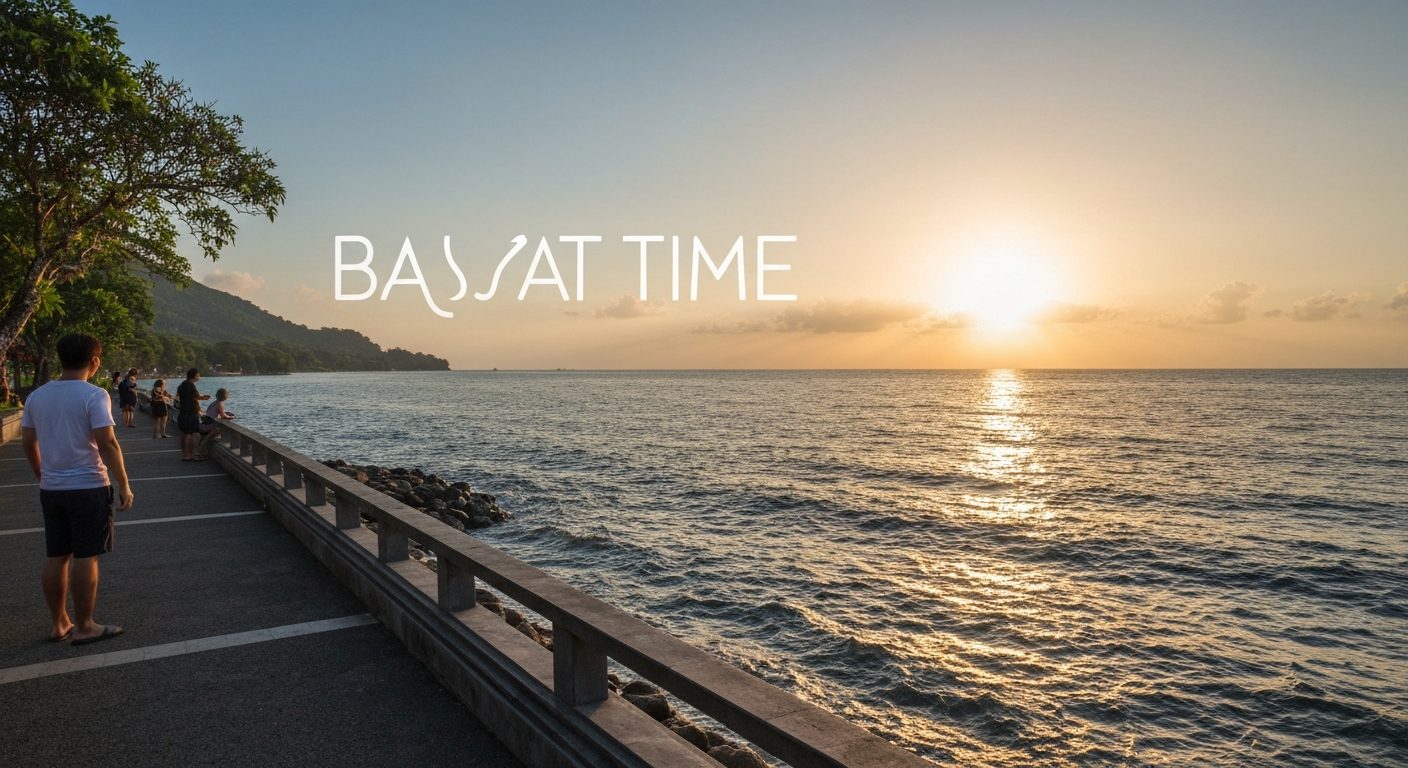
The best time to visit Bali & Java for a combined multi-destination tour largely aligns with Indonesia’s dry season, typically running from April to October. Planning your trip within these months usually offers the clearest skies for Bromo sunrise, safer conditions for Ijen’s blue fire hike, and smoother overland travel between destinations.
As your Bali-Java Circuit Editor, I’ve personally navigated the Ketapang ferry crossing in all conditions and faced pre-dawn volcano starts more times than I can count. This guide cuts through the noise. It focuses on the practicalities of weather and crowd levels, helping you choose the best time for your unique Bali + Java adventure.
Why Season Matters for Your Bali + Java Tour
Indonesia’s climate is tropical, dominated by two main seasons: dry and wet. While Bali remains a year-round destination, the Java leg of your tour—particularly the East Java volcanoes—is significantly impacted by seasonal weather.
Bromo Sunrise Views
Mount Bromo sits at 2,329 meters above sea level. Sunrise views from viewpoints like Penanjakan or King Kong Hill depend heavily on clear skies. During the dry season, the chances of unobstructed views of Bromo, Semeru, and Batok are much higher. Clouds and fog are common in the wet season, often obscuring the dramatic volcanic landscape.
Ijen Blue Fire and Crater Access
Ijen Crater, at 2,799 meters, is famed for its elusive blue flames and turquoise acidic lake. The hike to the crater rim and down to the blue fire viewing point involves steep, rocky terrain. Heavy rain can make the trails slippery and dangerous. More critically, Ijen Crater is subject to closure by local authorities (BBKSDA) during periods of extreme weather, high volcanic activity, or gas levels, making dry season visits more reliable. Wet season often brings higher sulfur gas concentrations and more frequent closures.
Overland Transfers and Ferry Crossings
Linking Bali to Java means overland travel. Whether you take the Ketapang-Gilimanuk ferry (a 45-60 minute crossing) or fly between islands, you’ll still have significant road time in East and Central Java. Heavy rain can lead to slower driving conditions, potential delays, and less comfortable journeys, especially on mountain roads. The ferry crossing itself is generally unaffected by light rain, but very strong winds or storms can cause temporary delays, though these are rare.
The Dry Season: April to October
The Indonesian dry season offers the most favorable conditions for a Bali + Java combined tour. Expect less rainfall, lower humidity, and generally clearer skies. This period is ideal for outdoor activities, from Bali’s beaches to Java’s volcanoes and temples.
However, “dry” doesn’t mean no rain at all. Brief, localized showers can still occur, especially in the late afternoon. It’s simply less frequent and less intense than the wet season.
Shoulder Months: April-May and September
These months are often considered the sweet spot for a Bali + Java tour. They fall within the dry season, offering excellent weather without the peak crowds and prices of the absolute high season.
- April-May:
- Weather: Transitioning from wet to dry, rainfall decreases significantly. Skies become clearer, and humidity starts to drop. Temperatures are pleasant.
- Crowds: Moderate. The post-Easter lull and pre-European summer holiday period mean fewer international tourists. You’ll find Bromo viewpoints and Ijen trails less congested than in July-August.
- Pricing: Generally more favorable than peak season for flights and accommodation.
- Why choose it: Great weather, thinner crowds, better value. Ideal for those who prefer a slightly quieter experience while still enjoying optimal conditions.
- September:
- Weather: Still firmly in the dry season, with consistently clear skies and low humidity. Temperatures remain warm and comfortable.
- Crowds: Moderate. The European summer holidays have ended, and the peak school holiday period is over, leading to a noticeable drop in tourist numbers.
- Pricing: Similar to April-May, offering good value.
- Why choose it: Excellent weather, comfortable temperatures, and reduced crowds make September another prime choice. It’s often my personal favorite for planning this circuit.
Peak Dry Season: June-August
This is Indonesia’s high season, driven by school holidays in Australia, Europe, and North America.
- Weather: Consistently dry, sunny days are the norm. This period offers the absolute best chance for clear Bromo sunrises and stable Ijen conditions. Humidity is at its lowest.
- Crowds: Highest. Expect significant crowds at popular tourist sites in Bali (Seminyak, Canggu, Ubud) and at Java’s attractions. Bromo viewpoints can be packed, and Ijen trails see a steady stream of hikers. Booking accommodations and tours well in advance is crucial.
- Pricing: Highest. Flights, hotels, and sometimes even local transport can be more expensive.
- Why choose it: If guaranteed dry weather and clear skies are your absolute priority and you don’t mind larger crowds, June-August delivers. The trade-off is higher costs and more people.
The Wet Season: November to March
The wet season, also known as the monsoon season, brings higher rainfall and humidity across Indonesia. While it doesn’t mean non-stop rain, you should be prepared for daily showers, often heavy, lasting from an hour to several.
- Weather: Frequent rain, higher humidity, often overcast skies. Some days might be completely clear, while others bring persistent rain.
- Crowds: Lowest. Tourist numbers drop significantly, especially outside of the Christmas and New Year holidays.
- Pricing: Lowest. You can often find better deals on flights and accommodation.
- Why choose it: If budget is your primary concern, or you prefer to avoid crowds, the wet season offers advantages. However, it comes with significant caveats for the Java volcanoes.
What to Expect in the Wet Season for Java
- Bromo: Sunrise views are a gamble. You might get lucky with a clear morning, or the entire caldera could be shrouded in fog and clouds. The trek up to the crater rim is still possible, but the stairs can be slippery.
- Ijen: This is where the wet season presents the biggest challenge. Heavy rain significantly increases the risk of trail closures due to safety concerns (slippery paths, increased gas concentrations, rockfall risk). Blue fire sightings can be affected by rain or fog. Closures can happen with little notice, meaning your Ijen leg might be canceled or rerouted on the day.
- Overland Travel: Rain can slow down transfers. Roads may be wet, reducing visibility for drivers. The Ketapang ferry usually operates without issue, but extended periods of heavy rain can make the journey feel less pleasant.
Mara’s Honest Take: I’ve done Ijen in the wet season. It’s doable, but you need to be realistic. The trail is often muddy, visibility can be poor, and the blue fire might be obscured. There’s a real chance of closure. If Ijen’s blue fire is a non-negotiable highlight for you, I strongly advise aiming for the dry season. If you’re flexible and prepared for potential disappointment, the wet season offers a different, often more verdant, landscape.
A Quick Look: Bali & Java Weather by Month
| Month | Season | Weather Conditions | Crowds | Ijen Access / Bromo Views |
|---|---|---|---|---|
| Jan-Feb | Wet Season | Heavy rain, high humidity. Often overcast. | Low | High risk of Ijen closure, Bromo views often obscured. |
| March | Wet Season | Rain starts to decrease, but still significant. | Low | Ijen still risky, Bromo views improving. |
| April | Shoulder | Transition to dry. Less rain, increasing clear skies. | Moderate | Good for Ijen/Bromo. |
| May | Shoulder | Dry, clear skies, low humidity. Optimal. | Moderate | Excellent for Ijen/Bromo. |
| June | Peak Dry | Very dry, consistently clear, comfortable temperatures. | High | Excellent for Ijen/Bromo. |
| July | Peak Dry | Driest month, consistently clear, cooler nights. | Highest | Excellent for Ijen/Bromo. |
| August | Peak Dry | Very dry, consistently clear. | Highest | Excellent for Ijen/Bromo. |
| September | Shoulder | Dry, clear skies, low humidity. Optimal. | Moderate | Excellent for Ijen/Bromo. |
| October | Dry Season | End of dry season, slight increase in rain towards month-end. | Moderate | Good for Ijen/Bromo, but monitor forecasts. |
| Nov-Dec | Wet Season | Rain increases, high humidity. | Low (except holidays) | High risk of Ijen closure, Bromo views often obscured. |
Note: This table provides general guidance. Local weather can vary.
Specific Considerations for When to Visit Bromo Ijen
Beyond general weather, consider these points for your volcano treks:
- Temperature: Even in the dry season, temperatures at Bromo and Ijen before dawn can drop significantly. Expect it to be around 5-10°C (41-50°F) at Bromo sunrise points and slightly warmer but still cool at Ijen. Pack layers regardless of the month.
- Visibility: Clear skies are paramount for the iconic Bromo sunrise. While the dry season offers the best chance, no one can guarantee perfect conditions.
- Air Quality: During the dry season, especially towards the end (August-October), occasional haze from forest fires (often on other islands) can reduce visibility. This is not a consistent issue but something to be aware of.
- Volcanic Activity: Both Bromo and Ijen are active volcanoes. Their status is constantly monitored. Access can be restricted or closed if activity levels increase, regardless of the season. Always check current conditions before your trip. Our local team stays updated on these reports.
Linking Bali to Java: The Itinerary Flow
Most Bali + Java tours start with a base in Bali (often Seminyak, Canggu, or Ubud), then head east to Java.
A typical 3-day / 2-night East Java volcano circuit usually looks like this:
- Day 1: Pick up from Bali, drive to Gilimanuk, ferry to Ketapang, drive to Bromo area. Overnight near Bromo.
- Day 2: Bromo sunrise tour, drive to Ijen area. Overnight near Ijen.
- Day 3: Ijen blue fire/crater tour, drive to Ketapang, ferry to Gilimanuk, transfer back to Bali (or to Surabaya airport for a flight to Yogyakarta).
For those adding Central Java (Borobudur, Prambanan), a 4-day / 3-night or 5-day / 4-night itinerary is common:
- Day 3 (cont. from above): Ijen tour, drive to Ketapang, ferry to Gilimanuk, then a longer drive to Surabaya or Probolinggo for a flight to Yogyakarta, or an extended overland drive directly to Yogyakarta (which is a very long day, 8-10 hours from Ijen).
- Day 4-5: Explore Borobudur and Prambanan temples from Yogyakarta. Fly back to Bali from Yogyakarta.
These itineraries are most comfortable and efficient during the dry season when road conditions are better and delays are less likely.
Want to map out your perfect Bali + Java adventure? Don’t hesitate to plan your trip with us. Our Bali Premium Trip team is ready on WhatsApp to discuss your ideal dates and itinerary.
Private vs. Group Tours & Pricing
The question of private versus group tours is often tied to flexibility, budget, and experience, especially when considering the “best time.”
- Group Tours: Generally cheaper, fixed departure dates and itineraries. Less flexibility for weather changes or personal preferences. In peak season, group tours can feel very crowded.
- Private Tours: Offer maximum flexibility. You dictate the pace, departure times (within reason for volcanoes), and accommodation choices. This is particularly valuable if you’re traveling in the shoulder or wet season, as it allows for adjustments if weather conditions are unfavorable.
Pricing: As of our last verification in June 2026, an indicative price range for a private Bali + Java overland tour (e.g., 2 people sharing a vehicle, including transfers, accommodation, guides, and park fees) is:
- 3-day / 2-night (East Java only): US$450-750 per person
- 4-day / 3-night (East Java + flight to Yogyakarta + Central Java): US$600-950 per person
These ranges vary based on chosen accommodation level, specific inclusions, and, importantly, the season. Peak season (June-August) generally sees prices at the higher end of these ranges due to increased demand. Shoulder months (April-May, September) can offer better value within these ranges.
How We Work: Your Direct Connection to Bali Premium Trip
Bali Java Overland is operated by Bali Premium Trip, a licensed Bali-based tour operator. When you plan your trip through this site, you are interacting directly with our Bali Premium Trip reservations team. We map the routes, logistics, costs, and timing honestly, then handle your booking directly.
This means you book at transparent, published rates with no third-party markup. We do not act as an affiliate or charge referral fees. We are the operator. Our team then arranges all third-party services, such as park jeeps, local volcano guides, and permits, through our vetted, licensed local partners on the ground in Java. This ensures you get seamless, reliable service from people who know these routes intimately.
Final Thoughts on Timing Your Bali & Java Tour
Choosing the best time to visit Bali & Java is a balance between ideal weather, crowd levels, and your budget. The dry season (April-October) is undeniably the most reliable for East Java’s volcanoes. The shoulder months of April-May and September offer a fantastic blend of good weather and fewer crowds. Peak season (June-August) guarantees the best skies but comes with higher prices and more people. The wet season (November-March) is possible, especially if your focus is more on Bali, but be prepared for potential disruptions on the Java leg.
Ultimately, we recommend prioritizing the dry season if Bromo’s sunrise and Ijen’s blue fire are highlights of your trip. No matter when you choose to visit, our team is here to help you navigate the logistics and ensure your Bali + Java adventure flows smoothly.
Frequently Asked Questions
Can I visit Bromo and Ijen during the rainy season?
Yes, you can visit Bromo and Ijen during the rainy season (November-March), but be prepared for potential challenges. Rain can obscure Bromo sunrise views and make Ijen trails slippery. Ijen Crater also faces a higher risk of temporary closure due to safety concerns (gas levels, slippery conditions). Flexibility is key if traveling during these months.
What is the driest month for a Bali and Java tour?
July is generally considered the driest month for a Bali and Java tour, offering the most consistently clear skies and lowest humidity. This makes it ideal for volcano treks and sightseeing, though it is also the peak tourist season with higher crowds and prices.
How much notice do I need to book a Bali + Java tour?
For peak season (June-August) and shoulder months (April-May, September), we recommend booking your Bali + Java tour at least 2-3 months in advance, especially if you have specific accommodation preferences. For wet season travel, 1-2 months is usually sufficient, but still advisable. This ensures availability and allows time for detailed planning.
Is the Ketapang ferry affected by weather?
The Ketapang-Gilimanuk ferry operates 24/7 and is generally reliable, with crossings taking approximately 45-60 minutes. It is rarely affected by light rain. However, severe storms or very strong winds can occasionally cause temporary delays or cancellations for safety reasons, though such instances are infrequent.
What should I pack for a Bali + Java tour in the dry season?
Even in the dry season, temperatures at Bromo and Ijen can drop to 5-10°C (41-50°F) before dawn. Pack warm layers: a jacket, fleece, hat, and gloves for the volcano treks. For Bali and lower altitudes in Java, light, breathable clothing, swimwear, and comfortable walking shoes are essential. Don’t forget sunscreen, insect repellent, and a reusable water bottle.
Ready to explore the wonders of Bali and Java? Let’s plan your trip together. Our Bali Premium Trip team is available via WhatsApp to help craft your perfect itinerary.